
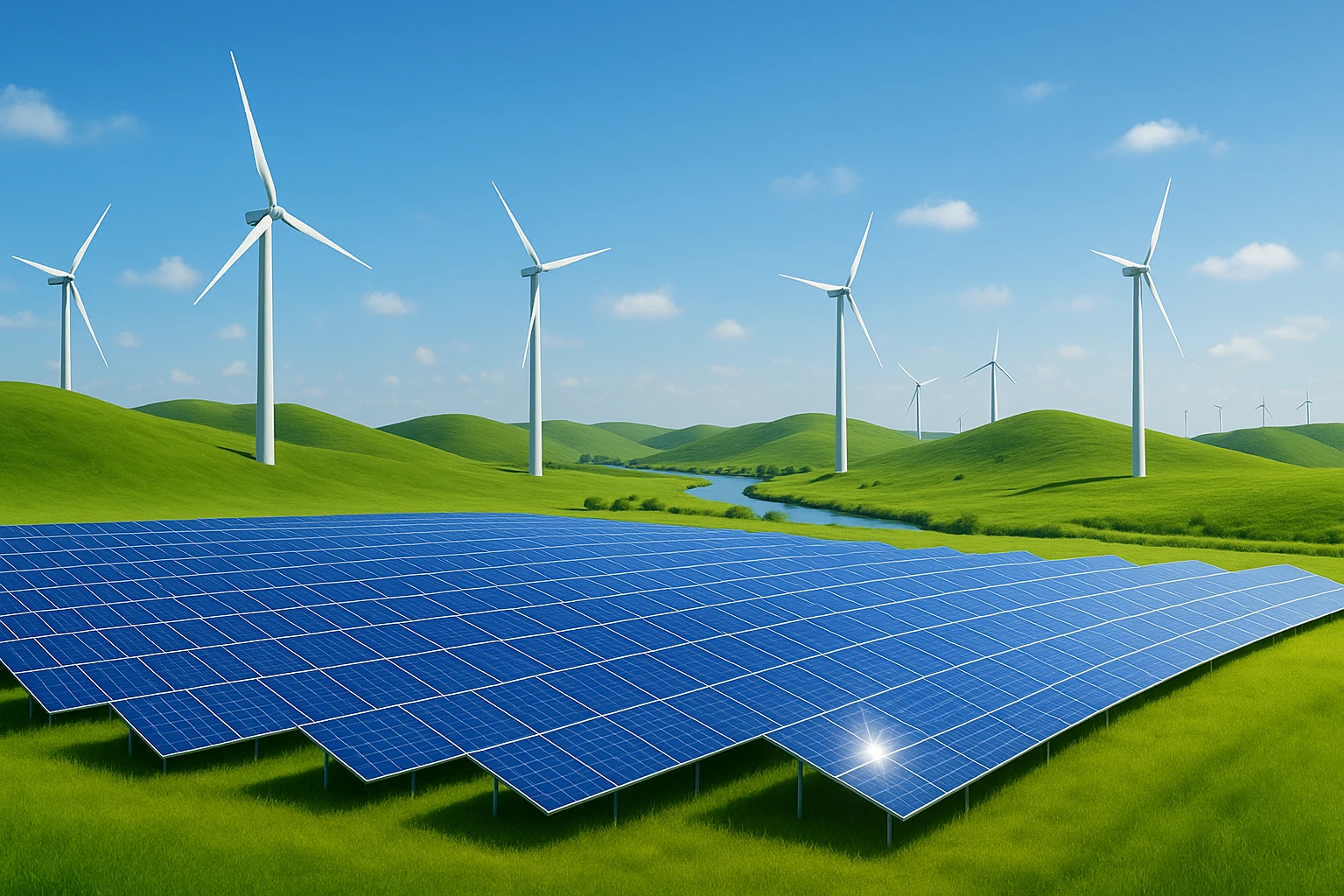
100 MWh Grid Hub
As renewable generation surges, the grid needs fast, flexible storage to maintain stability. CATL’s 100 MWh hub shows how large-scale batteries can step in instantly — acting as virtual power plants that balance supply and demand with precision. It’s a model for how smart storage can replace fossil backup and anchor the next generation of clean, reliable energy systems.
As renewable energy grows, stability becomes the new frontier. When the sun sets or the wind calms, the grid still needs power — instantly.
In Ningde, China, CATL built a 100 MWh energy storage hub that demonstrates how large battery systems can fill that gap with speed, precision, and reliability.
The site integrates CATL’s long-life lithium-iron-phosphate (LFP) batteries with advanced battery management systems capable of sub-second response. The result is a plant that acts like a virtual power station — charging when renewables overproduce and discharging during peaks. In doing so, it replaces the role of fossil “peaker” plants that were once the grid’s emergency backup.
Monitoring is entirely digital. Each cell is tracked for voltage, temperature, and charge cycles, feeding real-time analytics that optimize efficiency and extend lifespan. The system’s modular design allows capacity to scale from tens to hundreds of megawatt-hours without major redesign.
This technology transforms how grids operate. Instead of running backup turbines in standby mode, utilities can now store clean energy for when it’s most valuable.
The hub has already demonstrated a 15 % reduction in peak-load costs and improved local grid frequency stability by 30 %.
For China’s rapidly growing renewable sector, such storage hubs are the linchpin of energy security. But the model is global.
From California to South Korea, grid operators are adopting similar systems — turning storage from a niche support role into a core infrastructure asset.
CATL’s project proves a simple truth: to make clean energy reliable, we don’t need more fossil fuels — we need smarter batteries.